

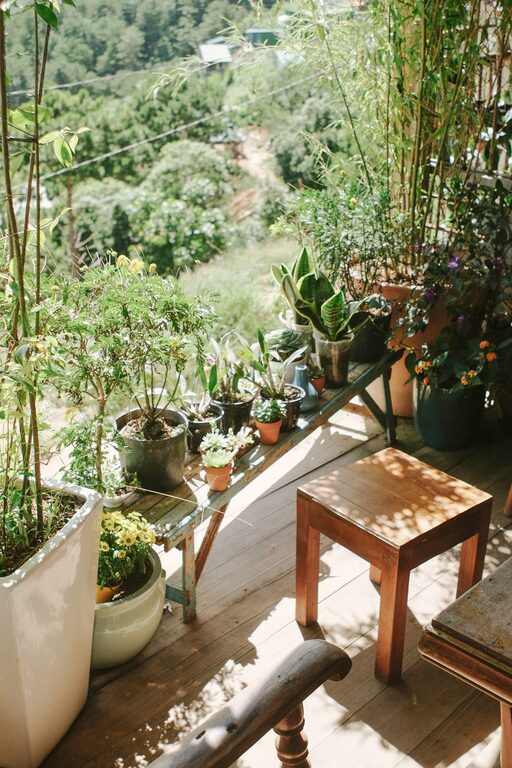
A home garden can be much more than just a patch of soil and plants. It can become a sanctuary—a peaceful retreat where you can relax, refresh your mind, and connect with nature. Creating a relaxing garden space doesn’t mean you need a vast area or expert skills. With some thoughtful planning and simple touches, you can transform your outdoor space into a soothing environment that feels like an extension of your home.
In this article, we’ll explore practical tips to help you design a calming garden that invites relaxation and enjoyment.
Plan Your Garden Space with Relaxation in Mind
Before planting or adding furniture, take time to consider how you want to use your garden. Ask yourself:
– Do you want a quiet spot for reading or meditation?
– Are you looking for a space to entertain friends with gentle background greenery?
– Would you like a garden that appeals to your senses, with fragrance and colour?
Knowing your goals will help you select the right features and plants.
Choose a Comfortable Seating Area
A relaxing garden needs somewhere to sit comfortably. Options include:
– A simple bench placed in a shady corner
– A hammock between two trees
– Cushioned chairs near flowers or water
Make sure the seating has shelter from harsh sun or rain, using a canopy, pergola, or strategically planted trees.
Create Privacy and Shield from Noise
If your garden is near a busy street or neighbours, privacy and noise reduction become key to relaxation.
– Plant tall shrubs or hedges as natural barriers
– Use trellises with climbing plants like clematis or jasmine
– Add a garden fence with sound-absorbing materials
These features help create a calm atmosphere where you can truly relax without distractions.
Select Plants that Promote Calm and Wellbeing
Certain plants have qualities that encourage relaxation, whether through scent, texture or appearance.
Incorporate Fragrant Plants
Pleasant scents can reduce stress and improve mood. Try including:
– Lavender: its famous calming scent is perfect for relaxation
– Rosemary: not only fragrant but also great for cooking
– Jasmine: sweet and soothing, especially in the evening
– Mint: refreshing and easy to grow in pots
Use Soothing Colours and Varieties
Soft greens, pale blues, and gentle pastels tend to create a calming visual effect. Consider:
– Ferns and hostas for lush greenery
– Bluebells, hydrangeas, or foxgloves for gentle colour
– Ornamental grasses that sway in the breeze, adding movement and texture
Avoid overly bright or harsh colours that may feel stimulating rather than relaxing.
Incorporate Evergreen Plants
To keep your garden peaceful and inviting all year round, include some evergreen plants. They maintain structure during winter and provide consistent greenery.
Add Elements that Appeal to the Senses
A truly relaxing garden engages multiple senses beyond just sight.
Use Water Features for Tranquil Sounds
The sound of flowing water is incredibly soothing. Ideas include:
– A small fountain or birdbath
– A pond with floating plants
– A simple bubbling rock feature
Water also attracts birds and other wildlife, adding life and gentle movement.
Include Soft Textures and Materials
Incorporate soft plants like lamb’s ear or moss close to seating. Use natural materials such as wood and stone for paths and furniture to create a grounded, peaceful feeling.
Add Wildlife-Friendly Plants
Encourage bees, butterflies and birds to visit. Their gentle activity adds an element of calm and connection with nature.
Keep Your Garden Tidy but Natural
A cluttered garden can feel stressful rather than relaxing. At the same time, overly manicured spaces may seem sterile.
– Plant in flowing shapes rather than rigid lines
– Avoid excessive decoration or garden ornaments
– Regularly prune to keep plants healthy but allow natural growth habits
Personalise Your Garden with Meaningful Details
Add features that make the space uniquely yours and help you feel calm.
– Hang wind chimes that create gentle sounds
– Use favourite colours in pots or cushions
– Include a small herb garden so you can pick fresh leaves while relaxing
– Place a small table for tea or reading materials nearby
Maintenance Tips for a Low-Stress Garden
A relaxing garden should not become another source of stress. Opt for low-maintenance plants suited to your climate and soil conditions.
– Use mulch to retain moisture and reduce weeds
– Collect rainwater for easy watering
– Prepare your soil well before planting to reduce future problems
– Schedule short and regular maintenance sessions rather than sporadic long ones
Final Thoughts
Creating a relaxing home garden space is about balancing natural beauty, comfort, and peaceful features. With mindful planning and thoughtful plant choices, you can build a tranquil garden that supports your wellbeing every day. Whether it’s a tiny balcony garden or a larger backyard, small changes can make a big difference in turning your outdoor area into a calm retreat.
So, step outside, breathe deeply, and enjoy the gradual process of crafting your personal garden sanctuary. Your mind and body will thank you.