

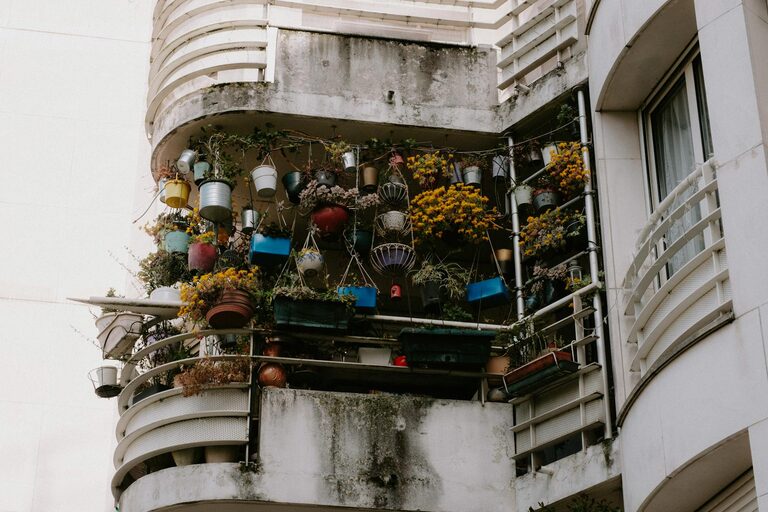
Creating a garden in a small urban space is a wonderful way to reconnect with nature, grow your own food, and contribute to a greener environment. Even if you have only a balcony, a small patio, or a narrow windowsill, it’s possible to cultivate a sustainable garden that thrives and benefits your local ecosystem. This guide offers practical tips to help you make the most of the limited space while keeping your gardening practices eco-friendly.
Why Choose a Sustainable Garden?
Sustainability in gardening means using methods that protect the environment, conserve resources, and promote biodiversity. This approach reduces waste and chemical use, conserves water, and supports wildlife, creating a balanced mini-ecosystem in your urban setting. A sustainable garden can help improve air quality, reduce your carbon footprint, and provide fresh, organic produce.
Planning Your Urban Sustainable Garden
Assess Your Space
Before starting, carefully evaluate your available space:
– Measure the area you have for planting.
– Observe sunlight patterns throughout the day.
– Consider access to water and shelter from harsh weather.
This assessment helps you choose suitable plants and gardening methods.
Choose the Right Containers
In small urban gardens, containers are your best friends. Use pots, window boxes, hanging baskets, or repurposed items like wooden crates. Make sure containers have drainage holes to prevent waterlogging and use lightweight materials if you need to move them.
Soil and Compost
Good soil is the foundation of a healthy garden. Use organic potting soil or create your own compost by recycling kitchen scraps and garden waste. Compost enriches soil with nutrients and improves its water-holding capacity, reducing the need for chemical fertilisers.
Water Wisely
Water conservation is essential in sustainable gardening, especially in urban areas where water resources may be limited.
– Collect rainwater: Use rain barrels or containers to capture rainwater for watering your plants.
– Watering times: Water early in the morning or late in the evening to minimise evaporation.
– Drip irrigation: Consider drip irrigation or soaker hoses that deliver water directly to roots, reducing waste.
– Mulch: Apply mulch around plants to retain moisture and suppress weeds.
Select Native and Adapted Plants
Native plants are naturally adapted to your local climate and soil, making them easier to maintain without synthetic inputs. They also support local pollinators like bees and butterflies. In addition to natives, choose plants that thrive in your urban environment and suit your garden’s light conditions.
Incorporate Edible Plants
Growing your own herbs, vegetables, or fruit can be highly rewarding. Choose compact or dwarf varieties suited for container gardening, such as cherry tomatoes, salad greens, or dwarf citrus trees. Edible plants reduce grocery bills and food miles, contributing to a sustainable lifestyle.
Maximise Vertical Space
If floor space is limited, think vertically:
– Install trellises, shelves, or wall-mounted planters.
– Use hanging baskets or window boxes to add greenery at different heights.
– Grow climbing plants like peas or beans on supports.
Vertical gardening increases your planting area without overcrowding your space.
Encourage Biodiversity
A sustainable garden supports a variety of beneficial insects and wildlife.
– Plant flowers that attract pollinators, such as lavender, marigolds or nasturtiums.
– Avoid pesticides and herbicides; use natural pest control methods instead.
– Consider a small water feature or bird feeder to provide shelter and food for urban wildlife.
Reduce Waste and Recycle
Sustainability involves reducing waste wherever possible:
– Repurpose household items as planters.
– Use natural materials such as coconut coir or bark as mulch.
– Save seeds from your plants to grow next season.
– Compost garden and kitchen waste regularly.
Maintain Your Garden Responsibly
Regular care keeps your garden healthy and sustainable:
– Prune plants to encourage growth.
– Rotate crops in containers to prevent soil depletion.
– Monitor plants for signs of pests or disease and treat naturally.
– Clean and store tools properly to extend their life.
Benefits Beyond the Garden
Your small, sustainable urban garden offers more than fresh produce and beauty. It improves air quality, reduces noise pollution, and creates a relaxing space to unwind. It also fosters a connection to nature and inspires eco-friendly habits within your community.
—
Creating a sustainable garden in a small urban space is achievable with a bit of planning and mindful choices. By focusing on eco-friendly practices, water conservation, native plants, and space-saving techniques, you can enjoy a thriving green oasis that benefits both you and the environment. Start small, experiment, and watch your urban garden flourish sustainably.