

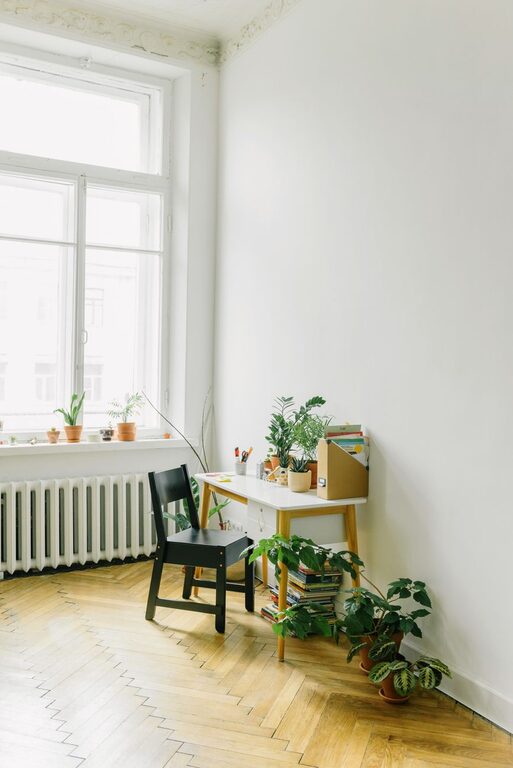
Creating a relaxing home office environment is essential for maintaining focus, creativity, and overall wellbeing during your working hours. With the rising trend of remote work, more people are setting up offices at home. However, working where you live can blur boundaries and create additional stress if your workspace isn’t comfortable or enjoyable. In this blog post, we’ll explore practical tips to help you design a calm, organised, and inviting home office that encourages productivity without overwhelming you.
1. Choose the Right Location
Selecting the ideal spot for your home office is the first step towards a relaxing work environment. Ideally, pick a quiet area away from high-traffic zones in your house. This helps to minimise distractions and noise. If possible, choose a space with natural light, such as near a window — daylight has been shown to improve mood and alertness.
If space is limited, consider using room dividers or screens to create separation from other areas, so your brain can distinguish between ‘work mode’ and ‘relax mode’.
2. Invest in Comfortable Furniture
Comfortable and ergonomic furniture is crucial for reducing physical strain and improving focus. When selecting your desk and chair:
– Opt for an adjustable chair with good lumbar support to prevent back pain.
– Ensure your desk is at a height that allows your forearms to rest comfortably parallel to the floor.
– Consider a sit-stand desk for flexibility if you want to alternate between sitting and standing during the day.
A comfortable setup invites longer, more focused work sessions without discomfort.
3. Use Calming Colours and Soft Lighting
The colours you surround yourself with can greatly affect your mood. Choose soothing, neutral tones like pale blues, soft greens, or gentle greys for walls and décor. These colours create a calming atmosphere that helps reduce stress.
Lighting also plays an important role. Aside from natural light, use adjustable lamps or LED lights that allow you to control brightness. Avoid harsh, overhead fluorescent lighting, which can be draining and cause headaches.
4. Declutter and Organise Your Space
A tidy workspace contributes to mental clarity. Regularly clear out unnecessary papers, equipment, and personal items that clutter your desk or shelves. Use storage solutions like boxes, baskets, or filing cabinets to keep things organised and out of sight.
Try organising your items based on daily use; keep frequently needed tools within easy reach, and store less-used items elsewhere to reduce visual distractions.
5. Personalise Your Space Wisely
Adding personal touches can make your home office feel pleasant and inspiring. However, keep décor minimal and meaningful to prevent over-stimulation.
Consider including:
– Plants to bring freshness and improve air quality.
– Artwork or photos that make you smile but avoid overly busy images.
– A small water feature or aromatherapy diffuser for gentle sensory stimulation.
Balance personality with simplicity to maintain a relaxed mood.
6. Manage Noise Levels
Noise can greatly affect concentration and energy. If your workspace is noisy:
– Use noise-cancelling headphones or listen to calm instrumental music.
– Add soft furnishings like rugs and curtains to absorb sound.
– Position your desk away from noisy appliances or street windows.
If silence makes you feel isolated, try background nature sounds or white noise to create a soothing audio environment.
7. Incorporate Break and Movement Spaces
To maintain wellbeing, it’s essential to take breaks and move regularly. If possible, create a small area near your workspace for stretching or light exercises. Even a comfortable chair for a quick reading break helps reset your mind.
Set reminders to stand up, stretch, or walk briefly every hour to avoid stiffness and fatigue.
8. Use Technology Thoughtfully
Technology is vital, but too many devices or messy cables add to stress. Keep cables organised with clips or sleeves. Choose wireless devices where possible to reduce clutter.
Invest in a good quality monitor, keyboard, and mouse to improve ergonomics and reduce eye or hand strain. Position screen at eye level and maintain good posture.
9. Establish Boundaries and Routines
Finally, to keep your home office stress-free, establish clear boundaries between work and personal time. Use routines like starting and finishing work at set times and keeping your workspace reserved for work activities only.
If you share your home with others, communicate your working hours and the need for quiet to help minimise interruptions.
—
Summary
Creating a relaxing home office is about combining comfort, organisation, aesthetics, and mindful habits. Start by choosing a quiet, well-lit space and invest in ergonomic furniture. Use calming colours, keep things tidy, and add personal touches without cluttering your environment. Manage noise, incorporate movement, and keep technology organised. Lastly, set clear boundaries to support your wellbeing and productivity.
By adopting these tips, your home office can become a place that supports your best work while keeping stress levels low. Enjoy the benefits of a calm and cosy workspace tailored to you!